
How to Successfully Implement a Project Management Tool


Selecting the right platform is only part of the equation.
Many organizations invest heavily in project management software but still struggle with inconsistent adoption, fragmented workflows, poor reporting visibility, and ongoing execution issues. In most cases, the problem is not the tool itself. It is the implementation approach.
Understanding how to implement a project management tool successfully requires more than onboarding teams to new software. It requires operational alignment, workflow clarity, and structured adoption across the organization.
Without clear implementation strategy, even the best platforms can create more operational friction instead of reducing it.
Why Project Management Software Implementations Fail
One of the most common mistakes organizations make is treating implementation as a purely technical rollout.
In reality, project management platforms directly affect:
communication workflows
accountability structures
reporting visibility
cross-functional collaboration
operational processes
project governance
When teams are introduced to new systems without standardized workflows or clear operational expectations, adoption often becomes inconsistent.
This is especially common in organizations already experiencing project delays, siloed communication, or delivery bottlenecks similar to the operational issues discussed in Why Projects Fall Behind (And How to Fix It).
Successful implementation starts by addressing operational structure before software configuration.

Start With Workflow Standardization
Before configuring software, organizations should first evaluate how work currently moves across teams.
This includes:
project intake processes
approval workflows
reporting structures
communication channels
escalation paths
ownership visibility
A project management platform should reinforce operational clarity, not compensate for missing structure.
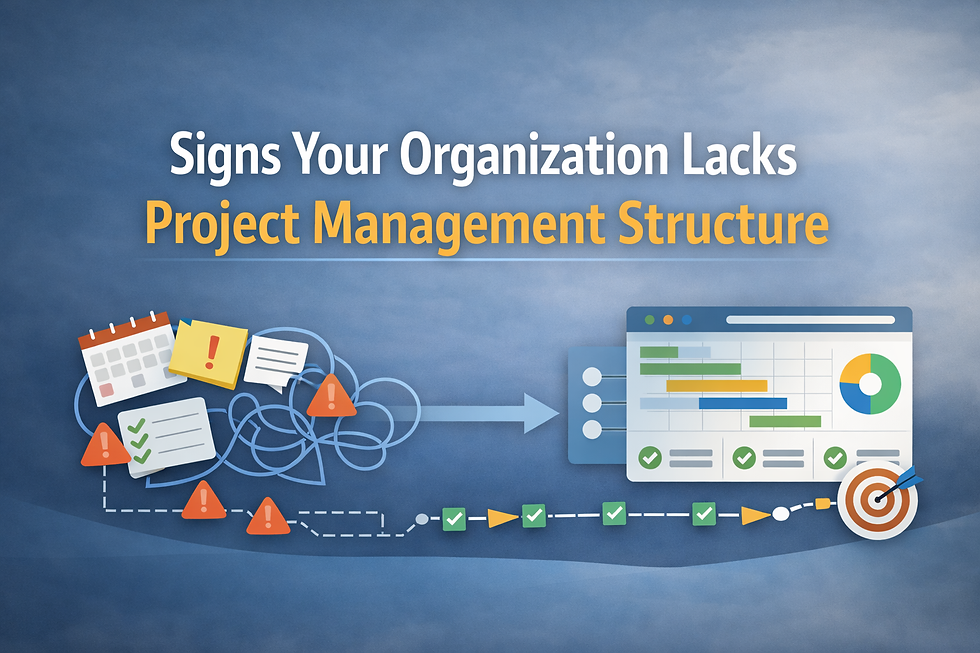
Organizations lacking standardized workflows often struggle with inconsistent implementation because teams begin using the system differently across departments. Over time, this creates fragmented reporting and reduced operational visibility, which are common indicators discussed in Signs Your Organization Lacks Project Management Structure.
The implementation process should establish:
standardized naming conventions
workflow stages
reporting expectations
project ownership structures
communication protocols
Clear operational standards improve consistency and long-term scalability.
Prioritize Team Adoption Early
Software implementation fails when teams do not consistently use the system.
One of the biggest mistakes leadership teams make is assuming adoption will happen automatically after rollout.
In reality, adoption depends on:
ease of use
leadership buy-in
workflow simplicity
role clarity
training quality
operational consistency
The implementation process should focus on reducing friction for teams instead of introducing unnecessary complexity.
This is particularly important in cross-functional environments where departments may already operate differently. Organizations working to improve collaboration across teams often find that implementation success depends heavily on alignment between workflows, communication standards, and accountability expectations, especially in situations similar to those explored in How to Improve Cross-Functional Team Alignment.

Roll Out in Phases Instead of Everything at Once
Many organizations attempt to implement every feature immediately.
This often overwhelms teams and creates unnecessary resistance.
A phased rollout is typically more effective.
Phase 1: Core Workflow Setup
Focus on:
task management
ownership visibility
project tracking
status reporting
Phase 2: Cross-Functional Coordination
Expand into:
shared workflows
resource visibility
dependencies
collaborative reporting
Phase 3: Advanced Operational Visibility
Introduce:
dashboards
automations
portfolio reporting
executive-level insights
Gradual implementation improves adoption while allowing workflows to mature naturally over time.

Avoid Over-Customization Too Early
One of the most common implementation mistakes is excessive customization during initial setup.
While modern platforms offer extensive flexibility, overly complex configurations often create confusion, inconsistent workflows, and administrative overhead.
Early implementation should prioritize:
clarity
consistency
adoption
visibility
operational simplicity
Customization should support operational processes, not complicate them.
Organizations with mature workflows may eventually require advanced automations and reporting structures, but these are typically more effective after foundational adoption is already established.
Measure Adoption and Operational Impact
Successful implementation is not measured by software activation alone.
Organizations should evaluate whether the platform is actually improving:
workflow visibility
accountability
reporting consistency
delivery timelines
cross-functional coordination
operational efficiency
If teams continue relying on spreadsheets, disconnected communication channels, or manual status meetings after rollout, implementation gaps may still exist.
The goal is not simply deploying software. The goal is improving execution across the organization.
Understanding how to implement a project management tool successfully requires organizations to focus equally on systems, workflows, and people.
The most successful implementations are not necessarily the most complex. They are the ones that improve clarity, simplify collaboration, and support operational consistency across teams.
Project management software should strengthen execution, not introduce additional operational friction.
When implementation aligns with organizational workflows and adoption priorities, project visibility and delivery performance improve significantly.
If your organization is preparing to implement a project management platform or struggling with inconsistent adoption after rollout, Fractional Project Management can help evaluate your operational workflows, improve implementation structure, and support scalable project delivery processes.
Schedule a call with our team to discuss how your organization can improve execution through better systems and operational alignment.


Comments